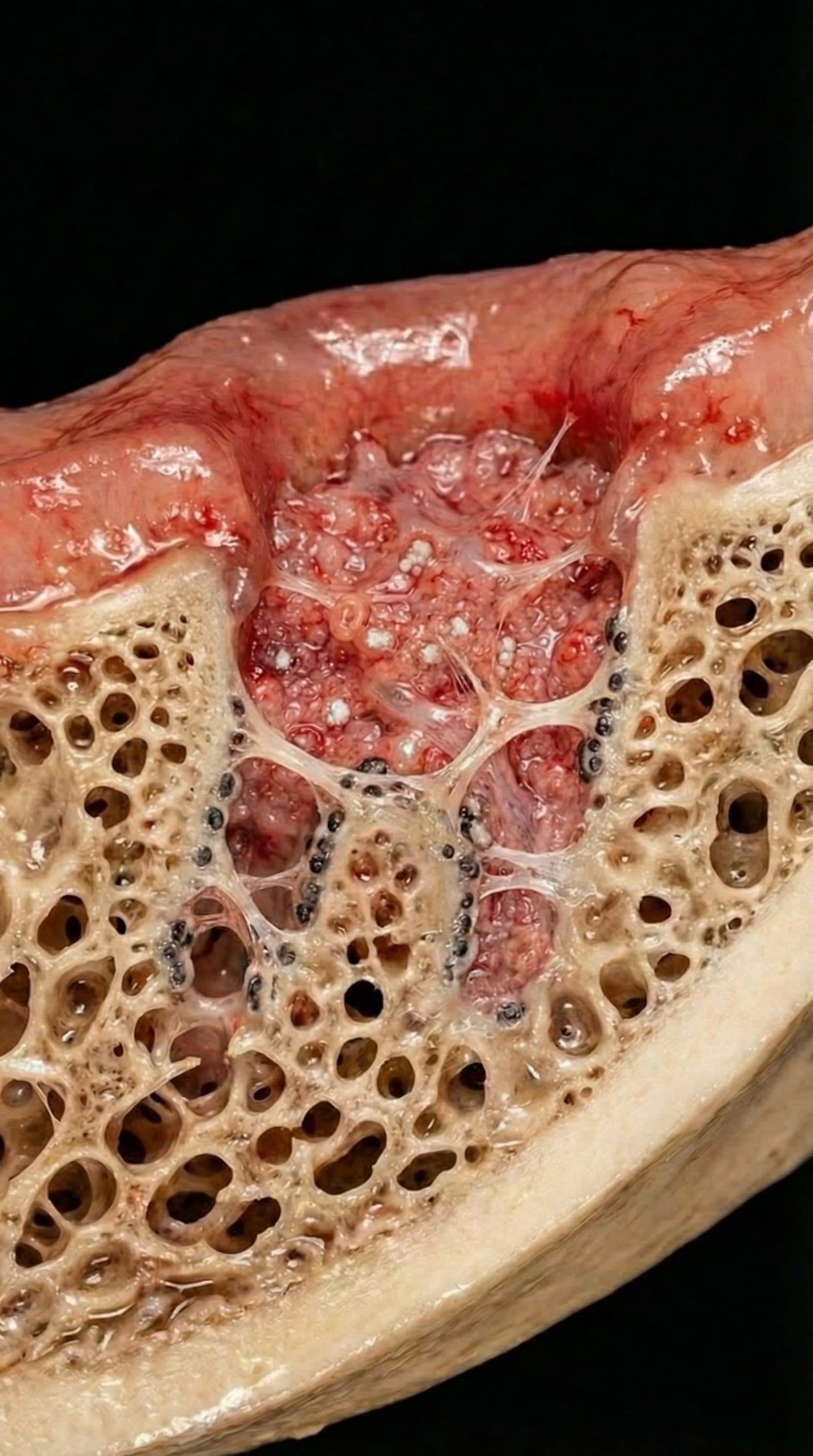
Bone Grafting & Augmentation
Dental bone grafting is a surgical procedure that adds bone material to a jaw with insufficient volume, rebuilding the foundation required for stable, long-lasting dental implants.
Creating the Foundation for Implant Success
Bone grafting makes dental implants possible when bone loss has occurred
Bone grafting is a surgical procedure that rebuilds or augments jawbone that has been lost due to tooth extraction, periodontal disease, trauma, or prolonged tooth loss. The procedure involves placing bone graft material in areas of deficiency, which then integrates with your natural bone over time.
When teeth are missing, the surrounding bone no longer receives stimulation from chewing forces and begins to resorb (dissolve away). This bone loss can make dental implant placement impossible without first restoring adequate bone volume through grafting.
Dr. Antipov is highly experienced in all types of bone grafting procedures, from simple socket preservation to complex ridge augmentation and sinus lifts. He uses the latest materials and techniques to ensure predictable, successful outcomes.
“Bone grafting is the quiet hero of modern implant dentistry. Without a solid foundation, even the most advanced implant cannot last. We build the base so the smile holds for decades.”
Dr. Alexander Antipov, DDS
Board-Certified Oral & Maxillofacial Surgeon
Why Bone Grafting Matters
The essential first step for many dental implant patients
Enables implant placement
Rebuilds bone where implants were previously impossible
Prevents further bone loss
Stops the cascade of shrinkage after tooth loss
Stable, long-lasting foundation
Solid base for implants that lasts decades
Preserves facial contours
Supports natural cheek and lip shape
High success with modern materials
Allograft, xenograft, and synthetic options
Reverses bone damage
Restores volume lost to periodontal disease or trauma
Advanced Grafting Expertise
Dr. Antipov completed fellowship training in complex reconstructive surgery at NYU Langone Medical Center. He's performed hundreds of successful bone grafting procedures, including complex cases referred by other dentists.
3D Precision Planning
Using advanced CBCT 3D imaging, Dr. Antipov precisely measures bone deficiencies and plans the optimal grafting approach. This technology ensures predictable results and minimizes surgical time.
Types of Bone Grafting Procedures
Customized approaches for different clinical situations
Ridge Augmentation
Rebuilds bone width and height along the jaw ridge after tooth loss or extraction
Sinus Lift (Augmentation)
Adds bone to the upper jaw in the molar/premolar area when sinuses have expanded
Socket Preservation
Places bone graft immediately after extraction to prevent bone loss and maintain ridge shape
Guided Bone Regeneration (GBR)
Uses barrier membranes to guide new bone growth in specific areas
Bone Graft Materials
Organic and synthetic options — Dr. Antipov selects the best material for your specific case
Autogenous Bone
Gold standard · OrganicBone harvested from your own body (chin, ramus, or hip). Highest success rate because it contains living cells and growth factors. Requires a secondary surgical site but offers the most predictable integration.
Allograft
Human donor · OrganicProcessed bone from human tissue banks, sterilized and demineralized. Avoids a second surgical site, with excellent biocompatibility and a strong evidence base. The most common choice for routine grafting.
Xenograft
Bovine · OrganicProcessed bovine bone (most commonly Bio-Oss). Excellent for ridge preservation and sinus lift cases — slow resorption rate gives the graft long-term volume stability.
Synthetic (Alloplast)
Lab-madeBioactive ceramics (hydroxyapatite, tricalcium phosphate, bioactive glass). No donor risk, consistent quality, and resorbable as new bone forms. Suitable for patients who prefer non-organic options.
Dr. Antipov determines the optimal graft material after your CBCT scan, taking into account graft volume, location, healing time, and your personal preferences. All materials used are FDA-cleared and backed by peer-reviewed clinical data.
The Bone Grafting Process
From evaluation to implant readiness, typically 3-6 months
Comprehensive Evaluation
1 hour3D CBCT scan to measure bone height, width, and density. We identify the specific areas requiring grafting and determine the best grafting material and technique for your case.
Bone Grafting Procedure
1-2 hoursBone graft material is placed in the deficient area. We use autogenous bone (your own), allograft (donor), xenograft (bovine), or synthetic materials depending on your needs. The procedure is performed under local anesthesia or sedation.
Healing & Integration
3-6 monthsThe graft material integrates with your existing bone through a process called osseointegration. During this time, new bone cells grow into and around the graft material, creating solid bone.
Verification Scan
30 minutesOnce healing is complete, we perform another CBCT scan to confirm adequate bone volume and quality have been achieved. This ensures we have a solid foundation for implant placement.
Implant Placement
VariesWith sufficient bone now available, dental implants can be placed with confidence. The grafted bone provides the stability needed for long-term implant success.
Frequently Asked Questions
Bone Grafting for Implant Success
Bone grafting and sinus lifts to rebuild the foundation for future implants.
Free 3D CT Scan · No Obligation · Flexible Financing · Roseville, CA